Urgent office clearance in Colliers Wood: what to expect
Posted on 10/06/2026
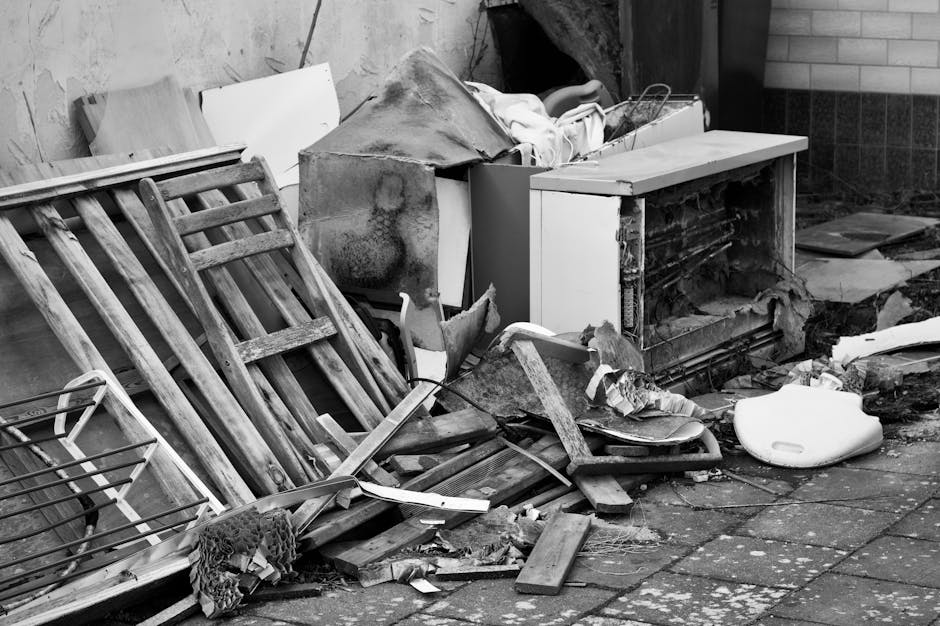
If you need an office cleared quickly, the first thing to know is that a good urgent office clearance in Colliers Wood is usually far more organised than people expect. Even when time is tight, a proper team should still work methodically: identify what stays, what goes, what needs special handling, and how to get everything out without turning the place into a mess. That matters whether you are moving out, downsizing, ending a lease, or simply trying to make a fast turnaround before Monday morning. The goal is not just speed. It is speed with control, and a bit of calm in the middle of a stressful day. Truth be told, that calm is often what people remember most.
In this guide, we will walk through what happens before, during, and after an urgent clearance, what affects timing and cost, and how to avoid the common mistakes that can slow everything down. We will also cover compliance basics, practical preparation, and how to choose the right approach for your site. If you want to understand the bigger picture around commercial clearances and wider waste handling, it can also help to look at the company's services overview and commercial waste removal in Merton for context.
Why urgent office clearance in Colliers Wood: what to expect matters
An office clearance is not just "getting rid of stuff." In a busy part of south-west London, timing, access, parking, lift use, building rules, and neighbour sensitivities all influence how smoothly it goes. In Colliers Wood, many workplaces are in mixed-use buildings or along roads where loading space can be awkward. That means a rushed clearance can quickly become a crowded lobby, a blocked corridor, or a van waiting with nowhere sensible to stop. Not ideal.
Urgency adds another layer. If you are between leases, handling a sudden closure, or preparing a suite for a fit-out, delays can get expensive fast. Every extra day may affect rent, handover deadlines, staff access, or the next occupier's schedule. So the real value of a rapid clearance is not just clearing rubbish; it is restoring control over the space so other plans can move forward.
There is also a trust angle. A professional clearance should separate reusable furniture, recyclable material, confidential waste, and general rubbish rather than simply loading everything together. That is especially important if your office includes filing cabinets, IT equipment, or branded items you do not want reappearing in a random pile. People sometimes underestimate how much is involved until they are standing in a half-empty office at 7:30 in the morning, wondering where the extra boxes came from. They always multiply, don't they?
How urgent office clearance in Colliers Wood: what to expect works
Most urgent clearances follow a simple structure, even when the schedule is tight. The process may be compressed, but it should still be clear and predictable.
1. Initial assessment
The provider will usually ask what needs clearing, how quickly it needs to happen, how much access there is, and whether there are items needing special handling. Expect questions about desks, chairs, filing units, monitors, small appliances, archive boxes, and bulky items. If you can, send photos. It saves time and reduces guesswork.
2. Planning the route out
Good planning is half the job. In real life, office moves are rarely about the items themselves; they are about moving them through doorways, lifts, stairwells, and narrow turns without damage. A decent team will work out the route before lifting anything heavy. If there is a shared building entrance or service lift, that gets factored in too.
3. Sorting and separation
This is where a proper clearance differs from a rushed tidy-up. Items should be separated into categories such as general office furniture, recyclable material, electrical equipment, confidential paper, and any items earmarked for reuse. A bit of sorting at the start often saves a lot of faff later.
4. Removal and loading
Once sorted, the crew clears the space systematically. For urgent jobs, they may work room by room or zone by zone so the exit remains safe and usable. This matters if other people are still on site, or if you need to keep one area operational while another is emptied.
5. Responsible disposal and recycling
A reputable clearance provider should send waste to appropriate recycling, reuse, or disposal routes where possible. If you are comparing providers, this is one of those details that sounds small but tells you a lot. It is not just about what leaves the office; it is about where it ends up.
If you want more on the company's approach to greener handling, their recycling and sustainability page is useful background.
Key benefits and practical advantages
The obvious benefit of urgent office clearance is time saved. But the less obvious benefits are often the ones that make the biggest difference.
- Faster handover: Useful when a lease is ending or a landlord inspection is coming up.
- Reduced disruption: A structured clearance helps staff keep working, or at least keeps chaos down.
- Safer workspace: Fewer loose cables, stacked chairs, and awkward boxes means fewer trip hazards.
- Better recovery of reusable items: Some furniture or equipment may still have value if separated early.
- Lower stress: This is not a tiny thing. When time is short, certainty matters.
- Cleaner compliance trail: A proper provider should help you feel confident that waste has been handled correctly.
There is also a practical cost angle. A well-managed urgent clearance can sometimes be more efficient than a drawn-out self-clearance with multiple trips, missed deadlines, and the odd "we'll do it tomorrow" that becomes next week. Let's face it, office clearances are one of those jobs that always look smaller from across the room.
Who this is for and when it makes sense
Urgent office clearance is a good fit for a few common scenarios. Some are obvious, some less so.
- Businesses moving premises: You need the old office empty by a fixed date.
- Tenants handing back a space: The landlord expects it cleared, broom clean, and on time.
- Companies downsizing: You may need to remove surplus desks, storage, and meeting room furniture.
- Start-ups refitting a new office: Old fixtures and mixed junk have to go before fit-out work begins.
- Property managers: You might be dealing with a sudden vacancy or a left-behind office unit.
- Hybrid teams consolidating space: One office closes, another absorbs the useful items.
Sometimes the trigger is less dramatic. A storage room gets out of hand. Archive shelves overflow. Or there is an awkward pile of old monitors and redundant chairs no one wants to "own." Very human, that. If the space is still active, you may need to stage the clearance in phases rather than doing everything in one go. That is often the smarter move.
For broader support across business waste handling, the service page for office clearance in Merton is a practical reference point, especially if you are comparing options for a nearby location.
Step-by-step guidance
If you are planning an urgent clearance, here is the process in the order that usually works best.
- List what must go. Start with the urgent items: desks, chairs, filing units, bins, IT gear, broken stock cupboards, and anything blocking the exit.
- Identify what must stay. Mark items to keep very clearly. One room label or colour-coded note can save a lot of confusion.
- Separate sensitive material. Put confidential papers, hard drives, and anything personal aside so it is handled intentionally.
- Check access. Make sure the team knows about lifts, codes, loading bays, parking restrictions, and building hours.
- Clear paths before the crew arrives. Move small items, clear corridors, and unlock rooms where possible.
- Tell the building manager. If the office sits in a managed block, let them know. Nobody likes surprises in the lobby.
- Agree what happens to reusable items. Decide early whether anything should be donated, reused, or set aside for resale.
- Confirm the disposal route. Ask how bulky furniture, electricals, and mixed waste will be handled.
- Stay available on the day. Quick decisions make a big difference in an urgent job.
- Do a final walk-through. Check cupboards, under desks, behind doors, and in storage corners. That forgotten printer always appears at the end, somehow.
A small but useful tip: take photos before the work starts and again afterwards. Not for drama, just for records. If there is a lease handover or internal sign-off later, you will be glad you did.
Expert tips for better results
A good urgent clearance is not just about lifting things quickly. It is about avoiding friction.
First, label everything early. Even a basic "keep / clear / unsure" system reduces mistakes. In offices, "unsure" is a dangerous category because it becomes a catch-all. Better to make decisions in advance.
Second, protect floors and corners if the site is sensitive. In older buildings, scuffed walls and chipped paint become expensive distractions. Most clearance teams work carefully, but if your space is tight, a little extra protection helps.
Third, be realistic about timing. If you need a same-day or next-day turnaround, say so immediately. Don't wait until the end of the call. Timing is everything in urgent work.
Fourth, clear the high-value items separately. If you have desks, branded chairs, or reusable storage units, decide whether they are being kept, moved, sold, or removed. That decision should not be made mid-load in a hallway.
Fifth, ask about electrical items early. Office clearances often include monitors, printers, desktop computers, and cables. These need to be handled properly, not treated as generic rubbish.
And one slightly human tip: keep a kettle, a marker pen, and a roll of tape nearby. It sounds trivial, but in a live office environment, those three things can save a surprising amount of faffing around.

Common mistakes to avoid
Urgent clearances often go wrong for very ordinary reasons. The good news is that most of them are avoidable.
- Waiting too long to book: If you have a deadline, leaving it to the last minute narrows your options.
- Not separating keep and clear items: This is one of the easiest ways to lose something useful.
- Forgetting access details: A van can arrive on time and still be stuck if parking or entry arrangements were not checked.
- Ignoring confidential waste: Paper files and storage media deserve deliberate handling.
- Assuming all providers work the same way: They do not. Some are much more organised than others.
- Overloading staff with sorting on the day: Make decisions before the crew arrives if at all possible.
- Failing to confirm what happens afterwards: You want to know how items are reused, recycled, or disposed of.
A common trap is treating the job like a general clean-out rather than a structured clearance. That's where people end up moving the same box three times. Nobody needs that sort of exercise.
Tools, resources and recommendations
You do not need fancy software to prepare for a clearance, but a few simple tools help a lot.
- Room-by-room inventory sheet: Useful for marking what stays and what goes.
- Labels or coloured tape: Great for fast visual sorting.
- Phone photos: Handy for pre-clearance records and supplier briefings.
- Basic floor plan: Even a rough sketch helps if the office is large or awkwardly laid out.
- Secure boxes for documents: Especially important if files need separate handling.
- Access notes: Include codes, loading instructions, lift limits, and restricted hours.
If you are comparing service quality, the pages on insurance and safety and waste carrier licence and compliance are worth a look because they speak to the sort of trust signals you want from any clearance provider.
For cost planning, it also helps to review pricing and quotes so you can understand how quotations are typically presented and what may influence them. Size, urgency, access, item type, and disposal requirements all tend to play a role.
Law, compliance, standards, or best practice
Office clearance touches on a few compliance points, and while the exact details depend on the items involved, there are some sensible best practices to keep in mind.
Confidential waste: Paper records, storage drives, and printed client information should be handled with care. If a file contains sensitive data, it should not be left in a general mixed-waste pile. Many offices prefer a separate secure process for documents and devices.
Electrical items: Computers, monitors, printers, and similar equipment should be treated properly as electrical waste or reused where appropriate. A responsible provider should know how to separate them from ordinary rubbish.
Duty of care: In practical terms, this means you should know who is taking your waste and what they are expected to do with it. You do not need to become an expert overnight, but you should not be left guessing either.
Site safety: Clear walkways, proper lifting, sensible stacking, and controlled loading matter just as much in an urgent job as they do in a planned one. Probably more, to be honest.
When in doubt, ask direct questions. What happens to furniture? How are electronics handled? What records are provided? If the answers are clear, you are usually on safer ground. If they are vague, that is a useful signal too.
Options, methods, or comparison table
There is more than one way to clear an office. The right method depends on time, budget, item volume, and how much disruption you can tolerate.
| Method | Best for | Pros | Limitations |
|---|---|---|---|
| Same-day professional clearance | Urgent deadlines, end-of-lease handovers, rapid makeovers | Fast, coordinated, low disruption | Needs good access and quick decisions |
| Phased clearance | Occupied offices, larger sites, ongoing operations | Less disruptive, easier to control | Takes longer overall |
| Self-managed clear-out | Very small volumes or simple removals | More direct control | Time-heavy, labour-heavy, easy to underestimate |
| Mixed approach | Offices with reusable furniture plus general waste | Flexible, practical, often efficient | Requires clear planning and sorting |
For many Colliers Wood businesses, the mixed approach is the sweet spot. Keep the useful furniture, remove the surplus, and deal with the waste in one organised sweep. That way, you are not paying in stress twice.
Case study or real-world example
Picture a small office near the busy corridor into Colliers Wood. The team has three days before the lease ends, two meeting rooms full of old furniture, a storage cupboard of archived paperwork, and a back office packed with redundant monitors and boxed cables. The space still needs to be accessible for final admin, so a full lock-up is not an option.
What usually works best in a situation like that is a phased clearance. Day one is spent identifying what stays, what goes, and what needs separate handling. The manager marks the archive material for secure removal, the IT items are grouped together, and the furniture is split into keep, clear, and donate-style categories. Day two is the removal day. The crew works room by room, keeping the main walkway clear so staff can still move around. By the end of the job, the office is quiet in that odd, hollow way you get after the last chair has gone and the carpet suddenly looks bigger.
The lesson here is simple: urgency does not have to mean chaos. A little structure changes everything. Even in a tight deadline, people usually feel relieved once the first zones are cleared. It is like taking a deep breath after the room has been too full for too long.

Practical checklist
Use this checklist before the clearance team arrives. It saves time, and it stops little things slipping through the cracks.
- Confirm the clearance date and arrival window
- List all items to be removed
- Mark all items to keep
- Separate confidential files and devices
- Check lift access, stairs, and loading arrangements
- Arrange parking or notify building management if needed
- Clear hallways and doorways where possible
- Pack loose items into boxes or bags
- Label any items for reuse or donation
- Photograph the office before the work begins
- Ask how waste and recyclables will be handled
- Do a final walk-through after clearance is complete
Expert summary: The best urgent office clearance is not the fastest one at any cost; it is the one that feels controlled, safe, and complete when the last van pulls away. If the process is clear, the building access is sorted, and the waste is handled properly, the whole day feels lighter. That is the real win.
Conclusion
Urgent office clearance in Colliers Wood should feel organised, not frantic. When it is done well, you get a clear space, less disruption, and a much smoother handover. The key is to prepare the site properly, separate what matters, and work with a provider that understands both speed and responsibility. Access, sorting, and compliance all matter, but so does plain old common sense. A good clearance crew will bring that in spades.
If you are planning a same-day or next-day office clearance, it is worth taking a few minutes to get your inventory, access details, and priority items in order first. That small bit of prep can save a surprising amount of time later. And honestly, it helps everyone breathe easier.
Get a free quote today and see how much you can save.